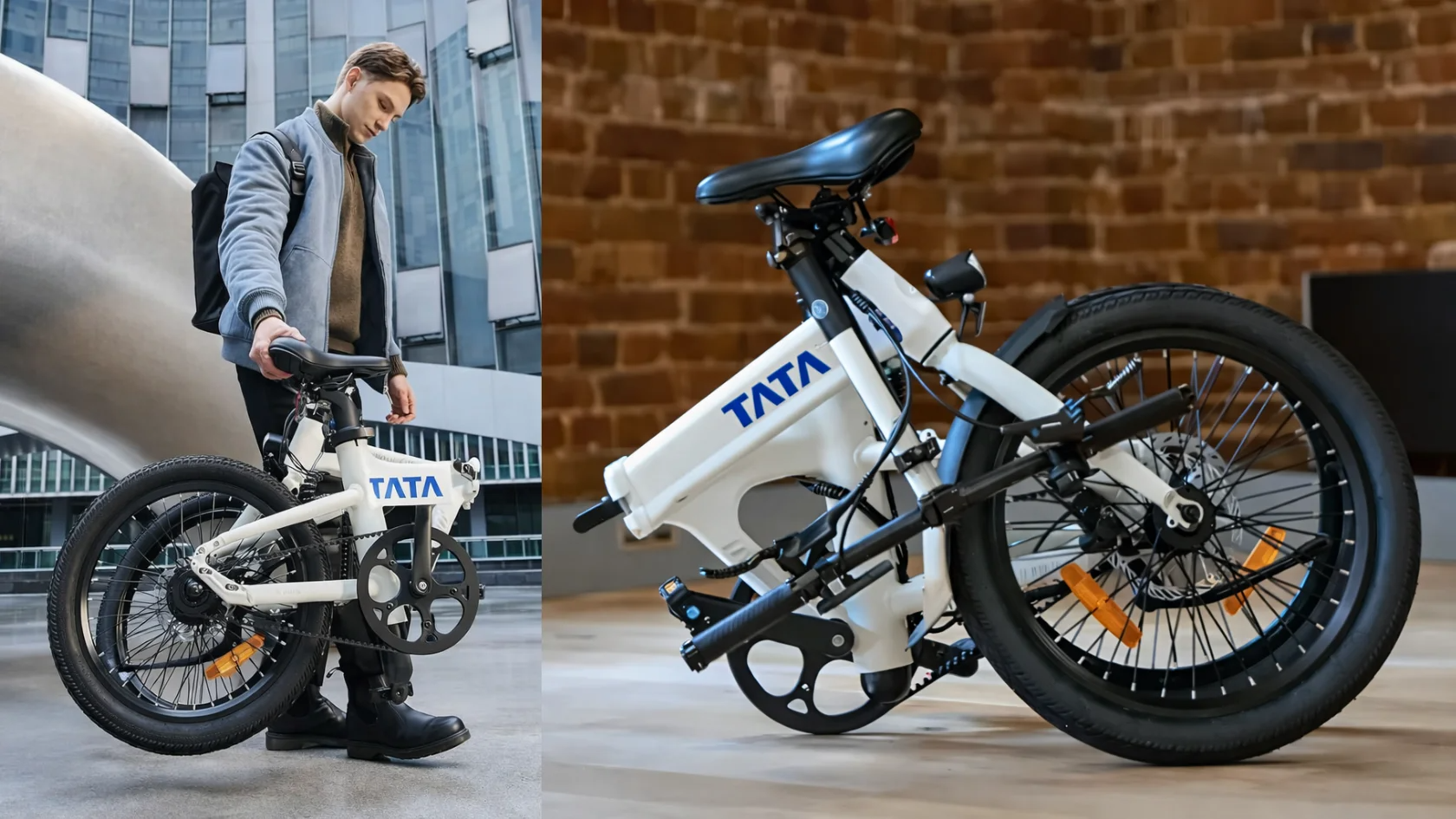
Electric mobility in India is evolving quickly, and compact electric cycles are emerging as a practical solution for everyday city travel. The Tata Foldable Electric Cycle is drawing attention for combining long claimed range, portable design, and a relatively affordable price point.
Developed under the broader innovation ecosystem associated with Tata Group, the foldable e-cycle targets commuters who need a lightweight, low-cost transport option for short daily journeys. With rising fuel prices and growing interest in eco-friendly travel, such smart mobility solutions are becoming increasingly relevant for urban riders.
What makes this model particularly interesting is its blend of portability, electric assistance, and everyday practicality — features that could make it appealing to students, office commuters, and apartment dwellers alike.
Key Highlights at a Glance
| Feature | Details |
|---|---|
| Claimed Range | Up to 120 km (pedal assist) |
| Real-World Range | Around 80–100 km |
| Motor | 250W–500W brushless hub motor |
| Top Speed | Approx. 25 km/h |
| Frame Type | Foldable lightweight alloy frame |
| Weight | Around 22–25 kg |
| Display | Digital speed and battery display |
| Safety | Disc brakes, LED headlamp |
| Expected Price | Around ₹24,999 |
Compact Foldable Design for Urban Living
One of the most practical aspects of the electric cycle is its folding frame. The bike can collapse into a smaller form factor, making it easier to store in tight spaces such as apartment balconies, office corners, or even the trunk of a car.
This portability can be particularly valuable in densely populated cities where storage space is limited. Riders who combine cycling with public transport or car travel may also appreciate the ability to quickly fold and carry the bike when needed.
The frame is expected to use a lightweight alloy construction, keeping overall weight in the range of roughly 22 to 25 kilograms. That balance between strength and portability allows the cycle to remain durable while still manageable for daily handling.
Battery and Riding Range
Range remains one of the most important factors for any electric mobility product. The foldable e-cycle is expected to use a lithium-ion battery designed to support long rides between charges.
Under ideal conditions with pedal assist engaged, the claimed range can reach up to 120 kilometers. In real-world usage, however, the practical riding range is likely to fall between 80 and 100 kilometers depending on factors such as rider weight, road conditions, and assist level.
For most city commuters, that range is more than enough for several days of travel without recharging.
Motor Performance and Urban Riding
The electric cycle is expected to feature a hub-mounted brushless DC motor rated between 250W and 500W. This motor assists the rider while pedaling, reducing physical effort and making longer rides far more comfortable.
Top speed is expected to reach around 25 km/h, which aligns with typical limits for electric cycles designed for urban commuting.
This level of performance should help riders maintain steady speeds in traffic while also providing assistance when climbing mild slopes or navigating crowded city streets.
Practical Features for Daily Use
Beyond the electric drivetrain, the cycle is designed with several everyday usability features.
A digital display panel provides basic ride information such as speed, battery level, and distance traveled. This allows riders to monitor battery usage and plan their trips more effectively.
Safety and comfort are also addressed through features such as front suspension, disc brakes for reliable stopping power, and an LED headlamp for improved visibility during evening rides.
Together, these elements help position the cycle as a practical mobility tool rather than just a recreational product.
Affordability and Running Cost
Affordability is one of the strongest selling points of electric cycles. The expected price for the foldable model is around ₹24,999, depending on battery configuration and final features.
Operating costs are also extremely low. A full battery recharge may cost roughly ₹8 to ₹12 based on typical electricity rates, making daily commuting significantly cheaper than fuel-powered transport.
For students, delivery workers, and budget-conscious commuters, that level of efficiency could make electric cycles an attractive alternative to scooters or motorcycles.
Why This Electric Cycle Matters
As Indian cities continue to deal with congestion, pollution, and rising transportation costs, lightweight electric mobility solutions are gaining momentum.
A foldable electric cycle offering long range, low operating cost, and easy storage could fill an important gap between traditional bicycles and electric scooters.
For everyday riders who want a simple, efficient way to travel short distances without relying on fuel, this type of smart urban mobility could become an increasingly practical option.