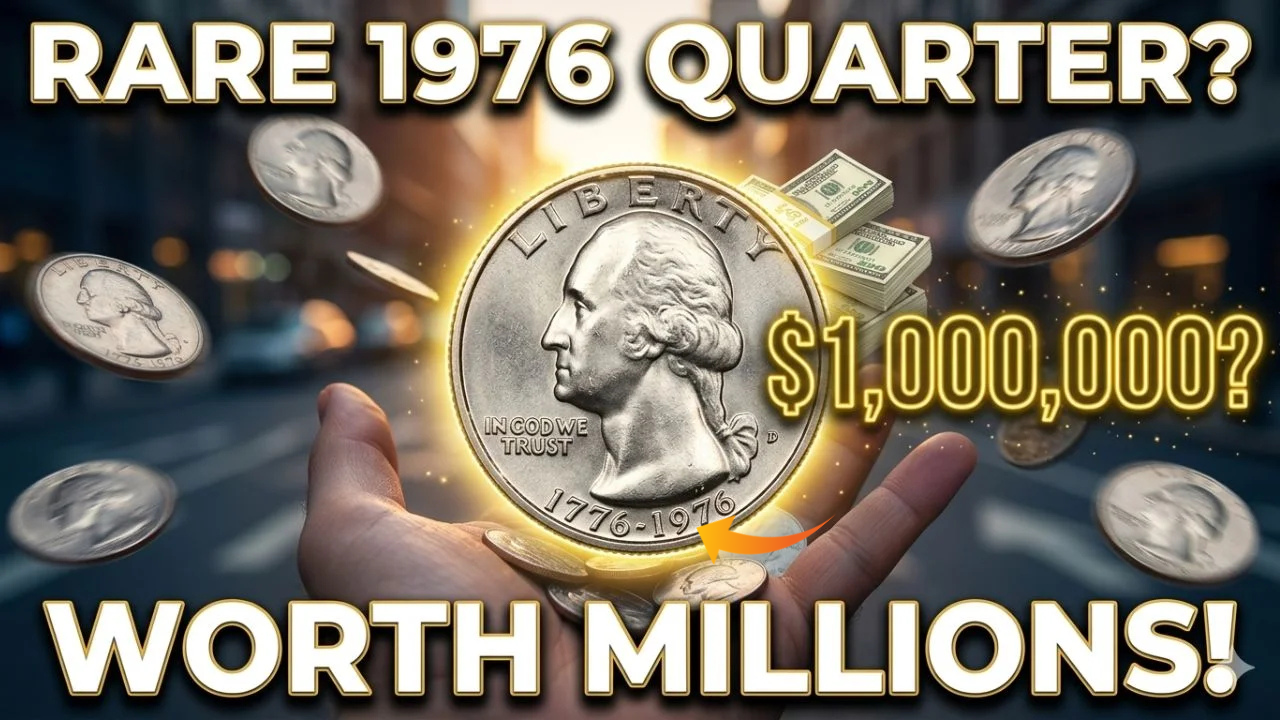
Bicentennial Quarter Value in 2026: Millions of Americans have seen the 1976 Bicentennial Quarter at some point. With its famous Colonial drummer boy design and the dual date “1776–1976,” it remains one of the most recognizable coins ever released by the United States Mint.
At first glance, most of these quarters seem ordinary—and in many cases they are. Over 1.6 billion Bicentennial quarters were produced, meaning the majority are still worth only their face value of 25 cents.
However, certain rare varieties, silver editions, and mint errors have become valuable collector items. In rare situations, unusual examples have sold for thousands or even more at auction.
If you have one of these coins tucked away in a jar or collection, it might be worth taking a closer look.
Why the Bicentennial Quarter Was Created
The U.S. Mint released special coins in 1975 and 1976 to celebrate the 200th anniversary of American independence.
Instead of the traditional eagle reverse used on Washington quarters, the Mint introduced a new patriotic design.
Key Design Features
The Bicentennial Quarter includes several unique elements:
- Dual date: 1776–1976
- Reverse design: Colonial drummer with torch and stars
- Designer: Jack L. Ahr
This design symbolized the spirit of the American Revolution and quickly became one of the most memorable coins in U.S. history.
How Much a Bicentennial Quarter Is Worth in 2026
The value of a Bicentennial Quarter depends on three main factors:
- Mint mark
- Metal composition
- Overall condition
Most coins found in circulation today remain common. However, collector versions and high-grade coins can be worth more.
Typical Value Range
| Coin Type | Estimated Value |
|---|---|
| Circulated copper-nickel | $0.25 – $1 |
| Uncirculated examples | $2 – $10 |
| 40% silver collector coins | $10 – $50+ |
| Rare mint error coins | $100 – $5,000+ |
In extremely rare cases, unusual coins with dramatic minting errors have reached much higher prices at auctions.
Valuable Bicentennial Quarter Errors
One reason some Bicentennial quarters become valuable is the presence of minting errors. These errors occur during the coin production process and can make a coin unique.
Errors Collectors Look For
Here are some of the most sought-after varieties:
- Doubled die errors – letters or numbers appear doubled
- Off-center strikes – part of the design is missing
- Wrong planchet errors – coin struck on the wrong metal
- Die cracks or die breaks
Coins with unusual errors are often submitted to professional grading services for authentication.
The rarer the error and the better the condition, the higher the potential value.
Silver Bicentennial Quarters
Not every Bicentennial quarter was made from the same metal.
Most coins were struck using copper-nickel clad, but the San Francisco Mint also produced special collector versions made with 40% silver.
These coins were included in proof sets and special mint sets rather than circulating widely.
How Silver Versions Are Different
Silver Bicentennial quarters usually have:
- An “S” mint mark
- A slightly different metallic appearance
- No visible copper stripe on the edge
Because they contain silver and were produced in smaller numbers, they typically sell for more than regular quarters.
High-grade examples certified by grading companies may sell for hundreds or even thousands of dollars depending on condition.
How to Identify a Valuable 1976 Quarter
If you find a Bicentennial Quarter, checking a few details can help determine whether it might have collector value.
Things to Examine
Check the mint mark
- No mark = Philadelphia
- D = Denver
- S = San Francisco
Look at the coin’s condition
Coins with sharp details, bright surfaces, and no wear are usually worth more.
Inspect for unusual features
Use a magnifying glass to look for doubling, off-center designs, or unusual metal color.
Even small differences can make a coin more collectible.
Where Rare Bicentennial Quarters Are Still Found
Interestingly, collectors occasionally discover unusual coins in everyday places.
Common places where people find them include:
- Old coin jars at home
- Bank coin rolls
- Estate sales or inherited collections
- Antique shops and flea markets
Because billions of these coins were circulated decades ago, rare varieties can still appear unexpectedly.
For coin enthusiasts, that possibility is part of the excitement.
Key Takeaways
Here are the most important facts about Bicentennial quarters:
- Over 1.6 billion coins were produced
- Most are still worth 25 cents
- Silver versions and mint errors are more valuable
- High-grade examples attract strong collector demand
While finding a valuable one is uncommon, it’s not impossible.
FAQs
Why does the Bicentennial Quarter show two dates?
The coin displays 1776–1976 to celebrate the 200th anniversary of American independence.
Are Bicentennial quarters made of silver?
Most are copper-nickel, but special collector coins from the San Francisco Mint contain 40% silver.
How can I tell if my coin is silver?
Silver coins usually have an “S” mint mark and lack the copper stripe visible on the edge of regular quarters.
What is the most valuable Bicentennial Quarter?
Rare error coins or exceptional high-grade silver examples have sold for thousands of dollars in collector markets.
Should I get my coin professionally graded?
If your coin appears uncirculated, silver, or has a possible error, professional grading can help confirm its value.
Final Thoughts
The 1976 Bicentennial Quarter remains a favorite among collectors because of its patriotic design and historical significance. Even though most are common, certain rare varieties and silver versions continue to attract strong interest in the coin market.
Also Read – 2026 Honda Amaze Revealed: Premium Cabin, Up to 28 KMPL Efficiency, and Affordable Pricing
So before spending that old quarter in your pocket, take a moment to examine it closely—you might just discover a small piece of history hiding in plain sight.