EV Battery Subscription Model : India’s electric vehicle market is evolving rapidly, but one much-hyped innovation is failing to gain traction. Battery-as-a-Service (BaaS), introduced to make EVs more affordable, is seeing limited adoption despite clear cost advantages.
The concept promised to reduce upfront prices and accelerate EV adoption. Instead, most buyers are choosing traditional ownership—even if it means paying significantly more.
What Is BaaS and Why It Was Introduced
Lower Upfront Cost, Pay-as-You-Go Model
Under the BaaS model, the battery—typically 35–40% of an EV’s total cost—is removed from the purchase price. Customers buy the vehicle and pay a subscription fee based on usage.
| Component | Ownership Model | BaaS Model |
|---|---|---|
| Vehicle cost | Includes battery | Excludes battery |
| Upfront price | Higher | Lower |
| Monthly cost | None | Subscription (₹/km) |
| Battery ownership | Customer | Financier |
This approach was designed to make EVs more accessible, especially in a price-sensitive market like India.
Adoption Remains Surprisingly Low
Just 2–3% Buyers Opt for BaaS
Despite the lower entry price, adoption has remained minimal. Industry data suggests only a small fraction of buyers—around 2–3%—choose the subscription route.
This indicates a clear gap between theoretical affordability and actual consumer preference.
Why Buyers Are Hesitant
Several factors are limiting BaaS adoption:
- Preference for full ownership
- Concerns over long-term subscription costs
- Uncertainty about battery usage billing
- Psychological comfort in “owning the full vehicle”
For many buyers, avoiding ongoing payments outweighs the benefit of a lower initial price.
Early Movers and Market Response
MG Leads the Push
JSW MG Motor India introduced BaaS with aggressive pricing strategies.
| Model | Price Without Battery | Price With Battery |
|---|---|---|
| MG Windsor EV | ₹9.99 lakh | ₹13.5 lakh |
This pricing helped boost sales significantly, with the Windsor becoming a strong performer in the EV market.
MG reports that around 12–15% of its EV buyers opt for BaaS—higher than industry averages, but still not dominant.
Other Automakers Follow
Other brands have also experimented with the model:
| Brand | Model | BaaS Pricing Strategy |
|---|---|---|
| Maruti Suzuki | eVitara | ₹10.99 lakh (excl. battery) |
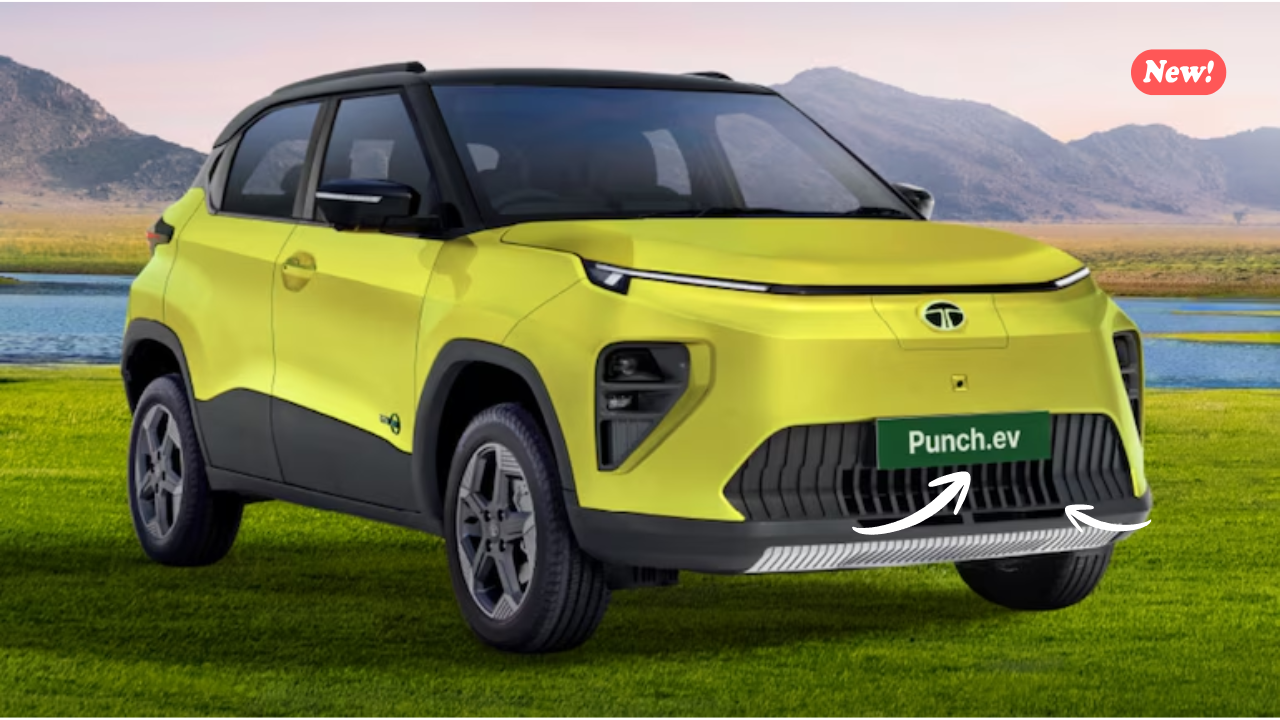
| Tata Motors | Punch EV | ₹6.49 lakh (excl. battery) |
Despite wider availability, adoption remains limited across brands.
Industry View: More Finance Tool Than Game-Changer
Shift in Perception
Automakers increasingly see BaaS not as a revolutionary ownership model, but as a financing alternative.
It allows customers to compare pricing structures and choose what suits their budget, but it is not expected to dominate sales.
Niche Use Case
BaaS currently appeals to:
- High-mileage users
- Fleet operators
- Cost-conscious buyers with low upfront budgets
For the average private buyer, traditional ownership still feels more straightforward and predictable.
Impact on Driving and Ownership Experience
From a usability standpoint, BaaS doesn’t change how the vehicle drives. Performance, range, and features remain the same.
However, the ownership experience differs:
- Monthly billing based on usage
- Dependency on financing partners
- Possible long-term cost variations
These factors influence buyer decisions more than the driving experience itself.
Why Ownership Still Wins
Indian buyers traditionally prefer assets they fully own. Even in real estate and automobiles, outright ownership provides:
- Peace of mind
- No recurring financial obligations
- Better resale clarity
This mindset plays a major role in BaaS adoption challenges.
Final Verdict: Promising Idea, Limited Reality
Battery-as-a-Service has succeeded in highlighting EV affordability, but it hasn’t fundamentally changed buying behavior.
While it lowers entry barriers, most consumers still prioritize ownership simplicity over subscription flexibility. For now, BaaS remains a niche solution rather than a mainstream shift.
That said, as EV adoption grows and financing models evolve, its relevance could increase—especially among commercial users and urban high-mileage drivers.
Also Read – Bimota BX450 Debuts: Italian Brand Enters Enduro Segment with Kawasaki-Based Machine