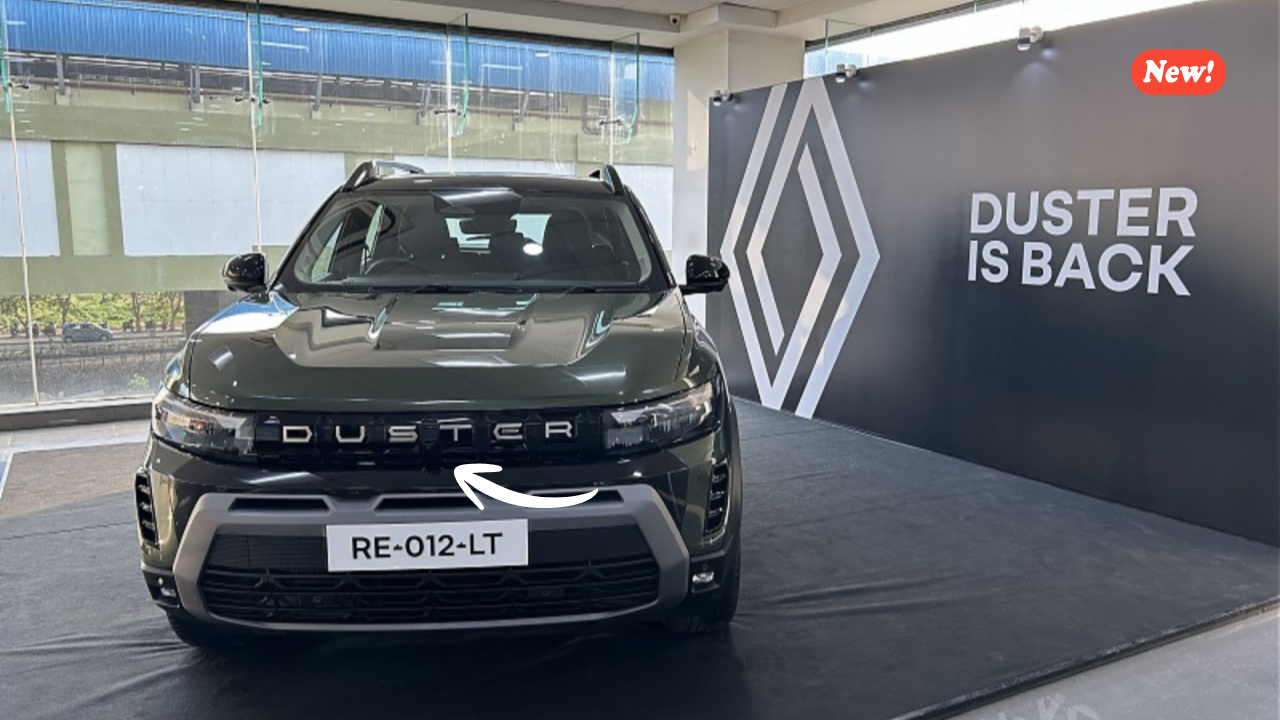
2026 Renault Duster: The new-generation Duster is shaping up to be one of the most practical and well-rounded SUVs in its segment. With multiple powertrain options and trims expected, choosing the right variant becomes crucial—especially if you’re looking for maximum value for money (VFM).
Right now, two options clearly stand out depending on your priorities: the turbo-petrol manual for balanced usability and the hybrid for future-ready efficiency.
Why the Evolution 1.3 TCe Feels Like the Sweet Spot
Balanced Performance for Daily Driving
The 1.3L turbo-petrol (TCe) engine producing around 160 hp paired with a 6-speed manual hits a sweet balance. It offers enough punch for city driving and highway overtakes without feeling excessive or expensive to maintain.
For most buyers, this level of performance is more than sufficient for everyday use.
Practical Features Without Unnecessary Cost
The Evolution trim focuses on essentials rather than gimmicks.
| Feature | Value Impact |
|---|---|
| Android Auto / infotainment | Daily usability |
| Arkamys audio system | Better in-cabin experience |
| Alloy wheels | Premium look |
| Semi-LED headlamps | Upgrade flexibility |
| Manual AC with knobs | Ease of use & reliability |
Skipping features like a sunroof may actually be an advantage—less weight, fewer long-term issues, and better structural rigidity.
Cost Advantage
If priced around the expected ₹13–14 lakh on-road range, this variant could undercut many rivals while offering a stronger engine and solid fundamentals.
That makes it a highly rational choice for buyers who prioritize driving experience and usability over flashy extras.
Hybrid Variant: The Smart Long-Term Bet
Efficiency Meets Performance
If Renault prices the hybrid competitively, it could easily become the most compelling option in the lineup.
| Aspect | Hybrid Advantage |
|---|---|
| Fuel efficiency | Strong in city traffic |
| Driving ease | Smooth automatic experience |
| Torque delivery | Instant electric boost |
| Future readiness | Better for evolving norms |
Unique Position in the Segment
Unlike many competitors that rely on mild-hybrid or turbo-petrol setups, a strong hybrid Duster would stand out.
This gives it a clear edge for buyers focused on fuel savings and urban driving comfort.
Potential AWD Capability
If Renault introduces an AWD setup (possibly via an electrified rear axle), it would further strengthen the Duster’s reputation as a capable all-rounder—something very few rivals offer in this price band.
Ride, Comfort, and Everyday Usability
The Duster has always been known for its rugged suspension and comfortable ride quality. Expect the 2026 model to retain that DNA with improvements in cabin insulation and refinement.
For families, this translates to:
- Better comfort on rough roads
- Practical cabin layout
- Usable boot space for trips
- Easy drivability in city conditions
Which One Should You Choose?
Go for the 1.3 TCe Evolution if:
- You want the best balance of price and performance
- You prefer manual control
- You value simplicity and lower ownership complexity
Choose the Hybrid if:
- Pricing stays competitive
- You drive mostly in city traffic
- You want better fuel efficiency and automatic convenience
- You’re planning long-term ownership
Final Verdict
The Evolution 1.3 TCe manual stands out as the most logical VFM pick for now. It delivers strong performance, essential features, and expected aggressive pricing—making it ideal for most buyers.
However, the hybrid could easily take that crown if Renault manages smart pricing. In that case, it won’t just be the better option—it will be the obvious one.
Also Read – Renault Bridger vs Tata Scarlet vs Mahindra Vision S: 3 Rugged Compact SUVs Set to Shake Up the Segment